AI slop meme examples — each with the exact tells that give it away.
AI memes are slop wearing a clown nose. The joke is often the failure itself, and the volume is the strategy. Each example below illustrates a real, widely observed meme-slop pattern, with the visual tells that separate a crafted joke from a generated one.
Example generated for illustration. Not a real viral image.
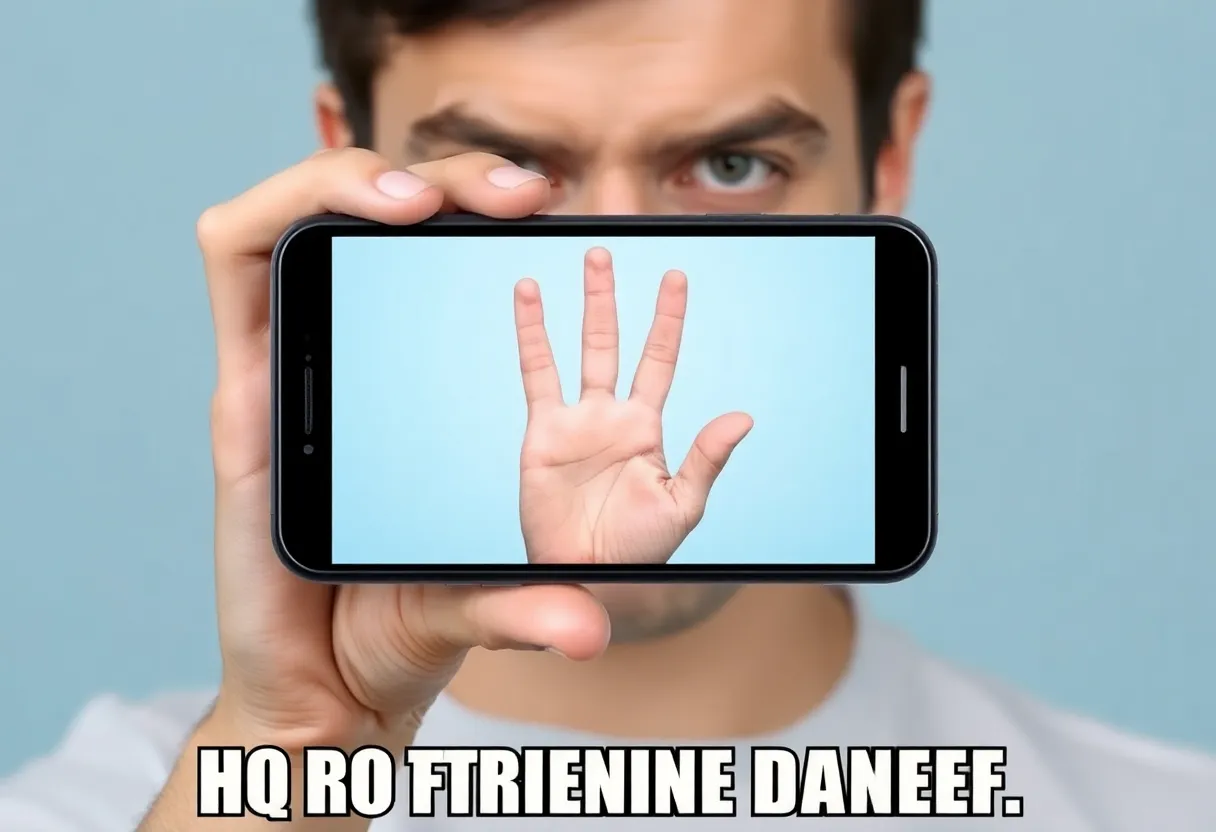
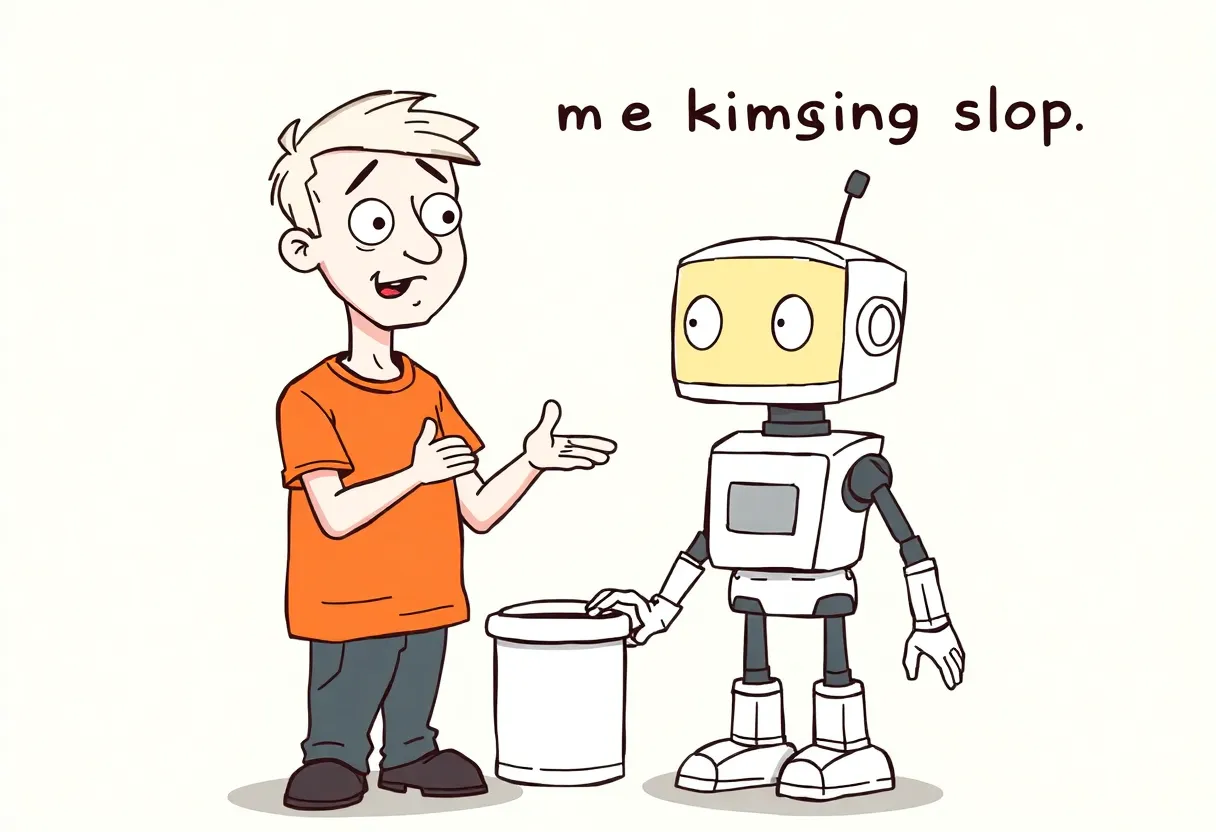
The "That's AI" Reaction Meme
Why it's slop: AI images mocking AI images still teach the feed that this content earns engagement — slop about slop is still slop.
How to spot it: Template composition reused across accounts, caption text rendered inside the image itself, and the same hand or background errors the meme is mocking.
Example generated for illustration. Not a real viral image.
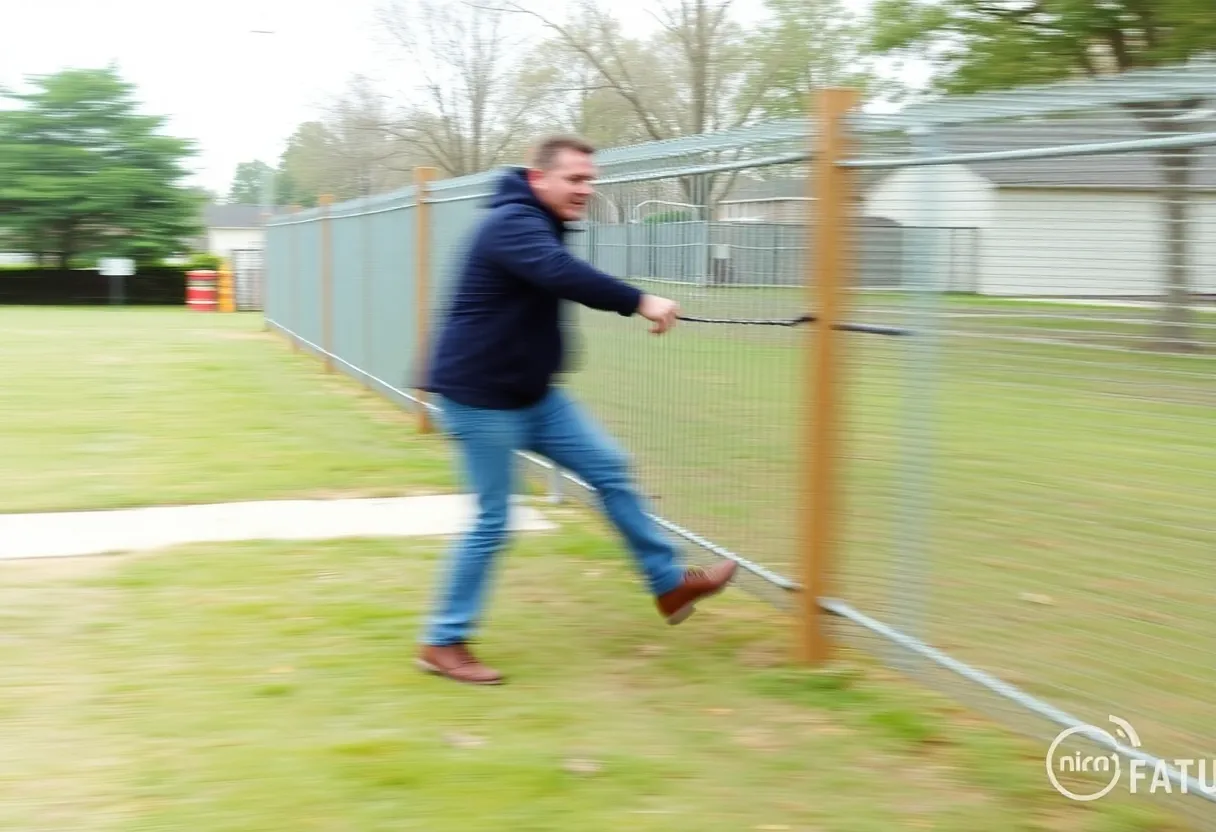
The Group-Hug Blob
Why it's slop: A woman hugging her dog while a religious figure materializes behind her and three people melt into one embrace — a viral favorite for exactly the wrong reasons.
How to spot it: Count the arms against the number of people, trace each hand to its owner — several attach to the wrong shoulders — and look for faces that repeat with tiny variations.
Reported: Multi-figure AI images with interleaved limbs circulate widely as engagement bait. Wikipedia — AI slop
Example generated for illustration. Not a real viral image.
"I Made This With AI" Self-Deprecation
Why it's slop: Wearing the artifacts as a badge does not make the content worth anyone's time — self-aware slop is still slop.
How to spot it: Deliberately crude composition presented without correction, engagement-bait captions ("rate my slop 1–10"), and the same generator tells as unironic slop.
Example generated for illustration. Not a real viral image.
Staged "Wholesome" Moments
Why it's slop: Fabricated family scenes with sob-story captions — manufactured emotion aimed straight at the share button.
How to spot it: Waxy skin texture, tears that appear without any eye redness or swelling, hands that hover near each other without making contact, and period-mixed background details.
Example generated for illustration. Not a real viral image.
Celebrity Face-Swap Gags
Why it's slop: Famous faces dropped into absurd scenes for cheap laughs — and, in worse variants, cheap scams.
How to spot it: Face lighting that disagrees with the scene's light direction, a halo edge where hair meets the background, and a jawline or teeth line that shifts between frames.
Example generated for illustration. Not a real viral image.
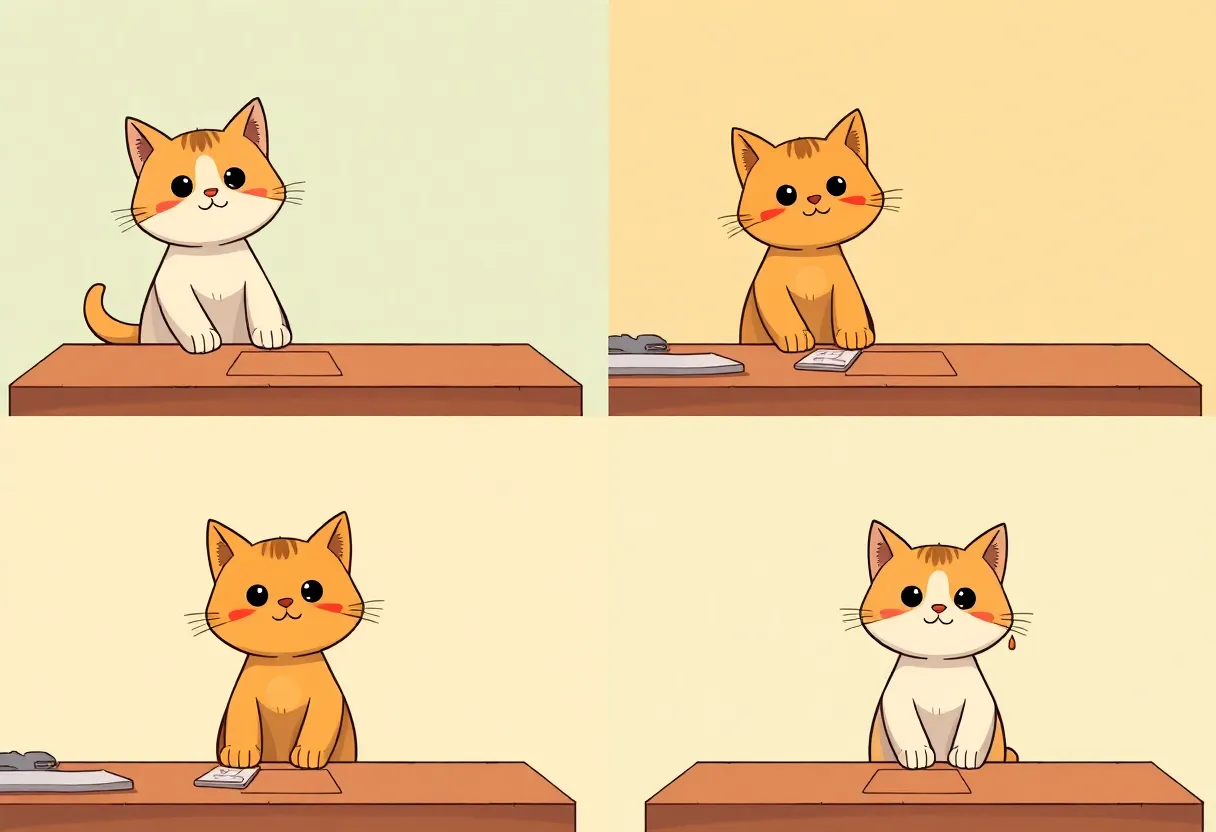
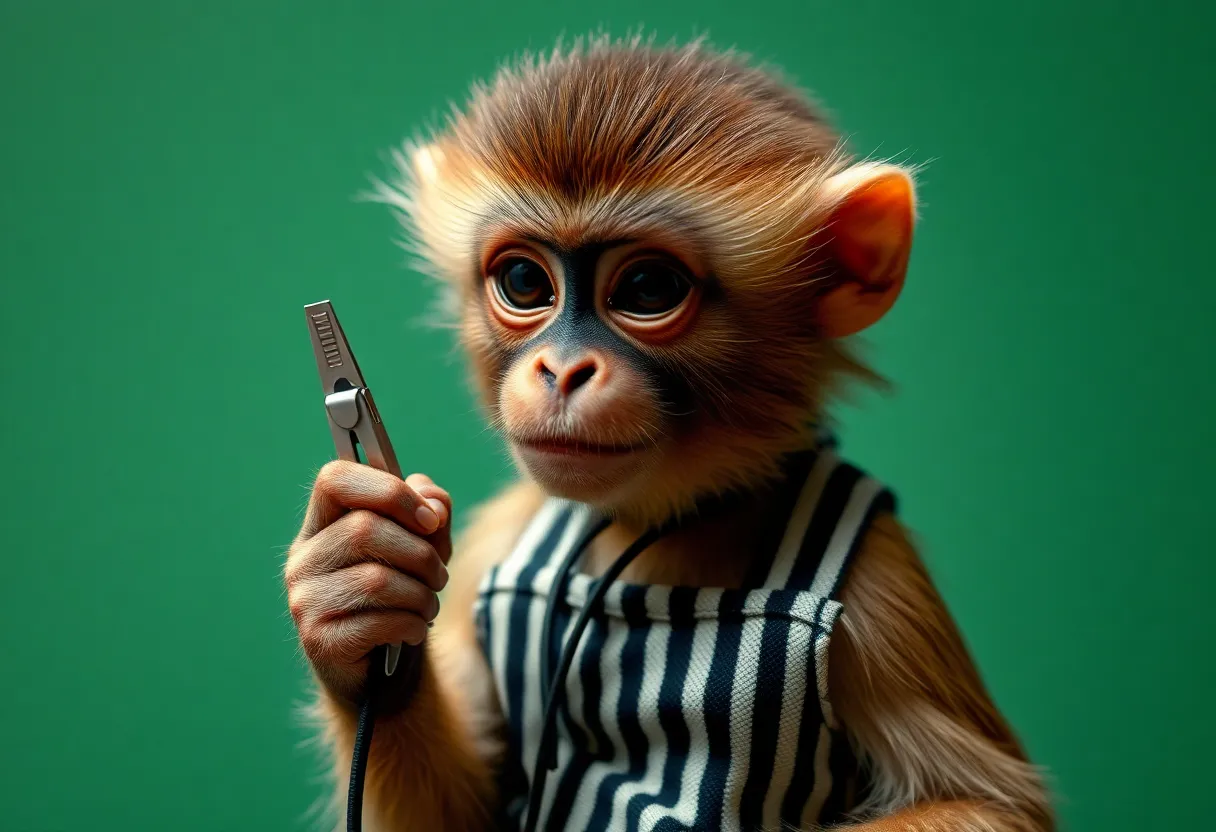
Animals Doing Human Jobs
Why it's slop: Anthropomorphic setups that never happened — harmless-looking, but built for the same engagement treadmill.
How to spot it: Paws gripping tools with impossible articulation, clothing painted onto fur rather than worn, and species features that mix (a cat with dog paws, etc.).
Example generated for illustration. Not a real viral image.
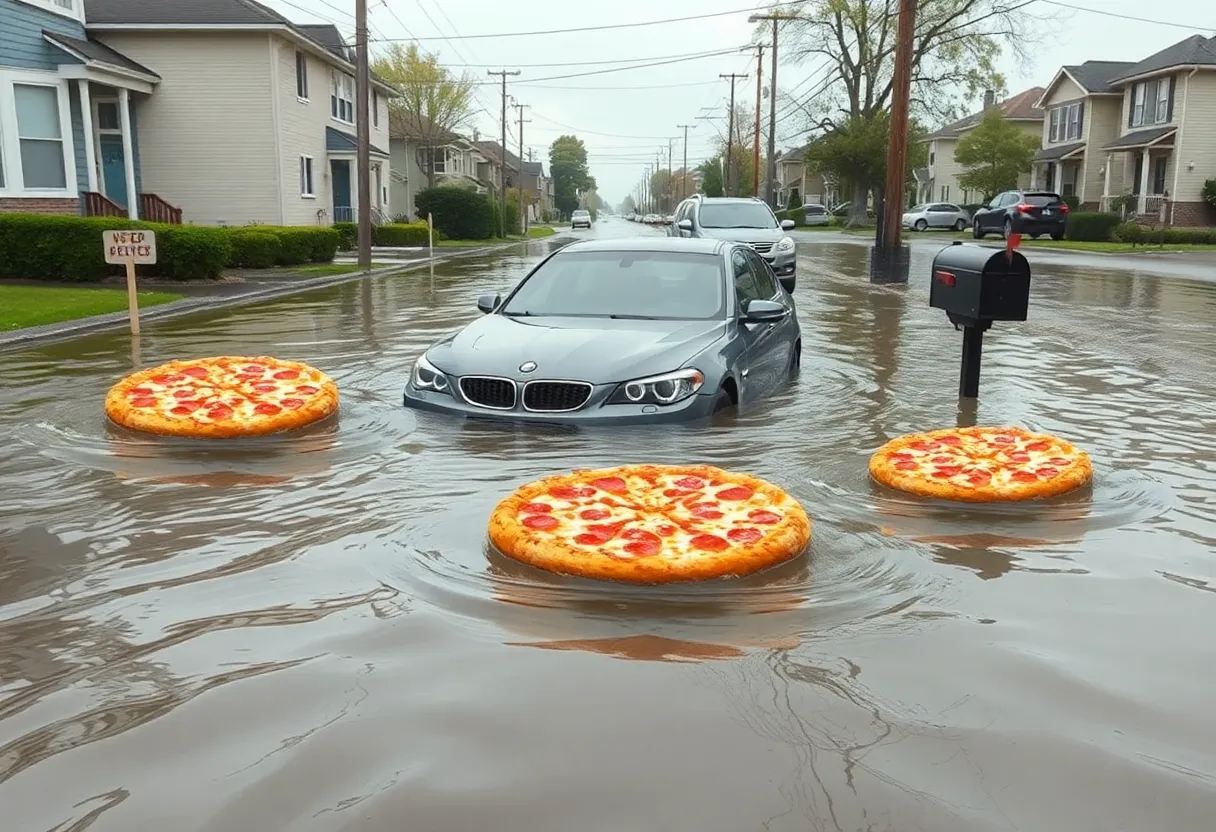
Absurd Disaster Scenes
Why it's slop: Shock imagery assembled from prompt mashups — flood, fire, and pizza in one frame, physics optional.
How to spot it: Debris that floats against gravity, repeated object stamps (the same chair copied five times), and disaster edges that merge with unrelated foreground objects.
AI slop is low-value content mass-produced with AI tools and published with little or no human review. It qualifies as slop when it exists mainly to farm clicks, likes, or ad revenue instead of helping the reader: generic phrasing, no original insight, no real author accountability, and often outright fabrications.
What does slop mean in AI?
"Slop" is borrowed from farmyard animal feed — cheap, low-grade filler. In the AI context it means text, images, audio, or video generated in bulk by AI models and dumped onto feeds, search results, and app stores faster than anyone can check it. The key idea is quantity over quality, not "made by AI" alone.
Why do people say AI slop?
The term spread in 2023–2024 as a shortcut for "AI-generated junk flooding the internet." People say it because it captures two things at once: the content is machine-generated, and it is shoveled at audiences in industrial volumes. It is deliberately less polite than "AI-generated content" — the bluntness is the point.
What are some examples of AI slop?
Classic examples include the "Shrimp Jesus" images that swamped Facebook, AI-generated food photos paired with inedible recipes, deepfake celebrity scams, auto-generated news sites publishing made-up stories, and endless blog posts stitched from the same template phrases like "in today's digital age."
What are the biggest AI fails?
Visually: extra fingers, melted hands, stretched arms, pets with the wrong tails, and signage that dissolves into gibberish. In writing: invented facts, fake citations, and confident nonsense about real people. Some of the most-shared fails are marketing images from big-budget campaigns that shipped with anatomically impossible hands.
How do I identify AI slop?
For images, inspect hands, teeth, eyes, jewelry, and background logic — count the fingers. For video, watch mouths, hands, and physics. For text, look for template phrases, perfectly uniform sentence rhythm, and generic claims with no sources. Our free AI slop detector checks the most common tells in seconds.
What is the 30% rule in AI?
There is no official standard. "The 30% rule" usually refers to informal guidelines circulating online — for example, keeping AI assistance under roughly a third of a piece, or treating detection flags on about a third of a text as a warning sign. Treat any fixed percentage with suspicion: quality depends on how AI is used and reviewed, not on a magic ratio.
How to avoid AI slop?
Use AI as a draft tool, not a publisher. Add human judgment to every step: verify every fact, cut cliché phrases, include first-hand experience and real examples, and edit until the piece sounds like a person. To check work before publishing, run it through our free slop detector, then review the flagged passages yourself.
Is AI slop bad?
It is bad for readers, who waste time on content that looks informative but is not. It is bad for the web, because it crowds out genuine work and pollutes search results. AI-assisted writing is not inherently bad — the harm comes from publishing unreviewed bulk output as if it were real, checked work.
How do you pronounce AI slop?
Just like it looks: "slop" rhymes with "top" or "cop" — /slɒp/, one syllable. Say "A-I slop" ("aye-eye slop"). The word's blunt, unglamorous sound is part of why it caught on.